PREPA·TEC NEWSLIVE
AI & Work
The Robots Aren't Coming For Your Job. They're Already In The Room.
By Emiliano A., Eduardo A., Hyun P., Jeshua V.
Applied AI · Seoul 2026 · Tecnológico de Monterrey
This site is a showcase of what the students produced over the course: news, games, film, music and working software. Alongside the making, the course covered how automation is changing work, how to judge what an AI produces, and how a project team is actually run.
The course, unit by unit
Working in teams, students researched how AI is impacting the world and wrote referenced articles about it, tracing every fact back to where it came from and running a newsroom in set jobs: editor, researcher, writer and web developer. They then collaborated to make a fake news website, to demonstrate the fragility of the current media landscape and how easy it is for AI bots to spread fake news. That was set against interviewing an industry professional and studying AI ethics.
Enter News By Emiliano A., Eduardo A., Hyun P., Jeshua V.
To revise for their week 1 exam, students made their own AI-generated games. Each game had to carry revision questions on what AI is, its impact, ethics, and how it will impact the job market. Each student talked an AI into writing the code, played it, and reworded the instruction until it ran. The games were then played at an education summit, where students played each other’s games to help each other revise.
Enter Games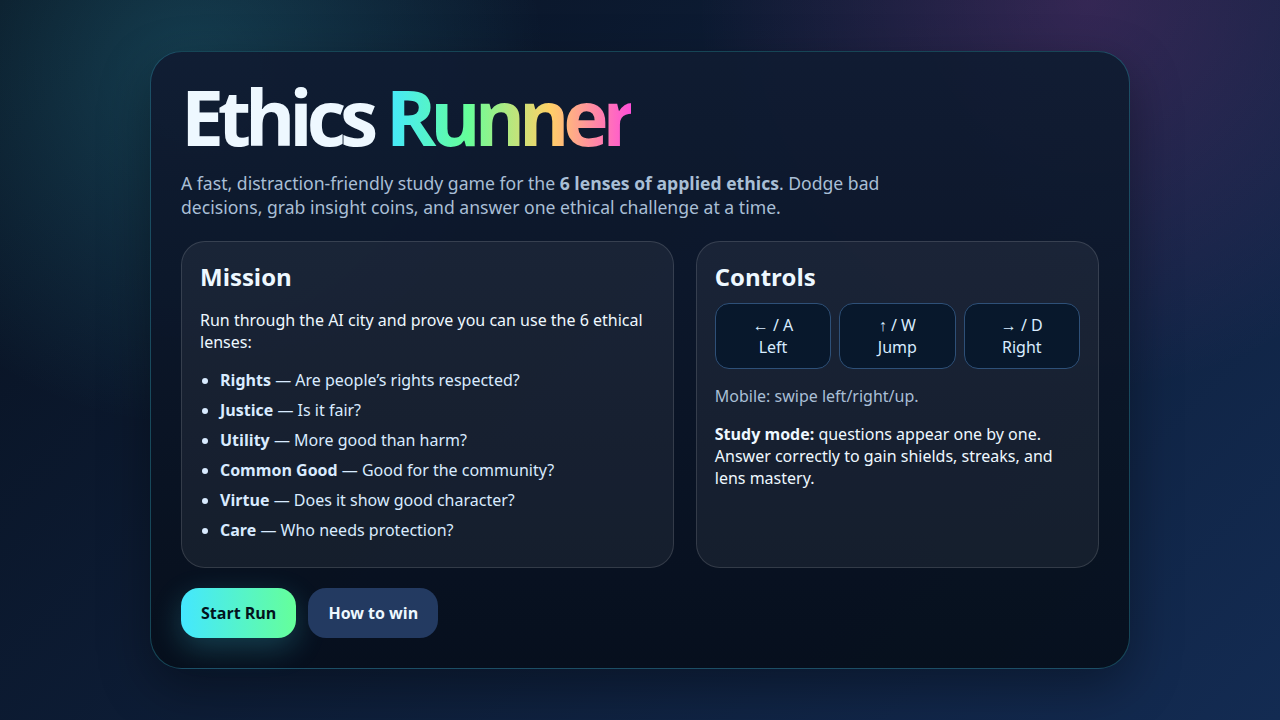
Sound carries a trailer, so students started their movie projects with the music. Each crew generated its track before any picture existed, built to carry the beats of a trailer, then cut the edit to the finished music rather than stretching music over an edit that was already locked. Students practised describing a sound in plain words, listening to what came back, then changing the words until it fit, learning to generate all three things a film needs: music, sound effects and voiceovers.
Enter Sound

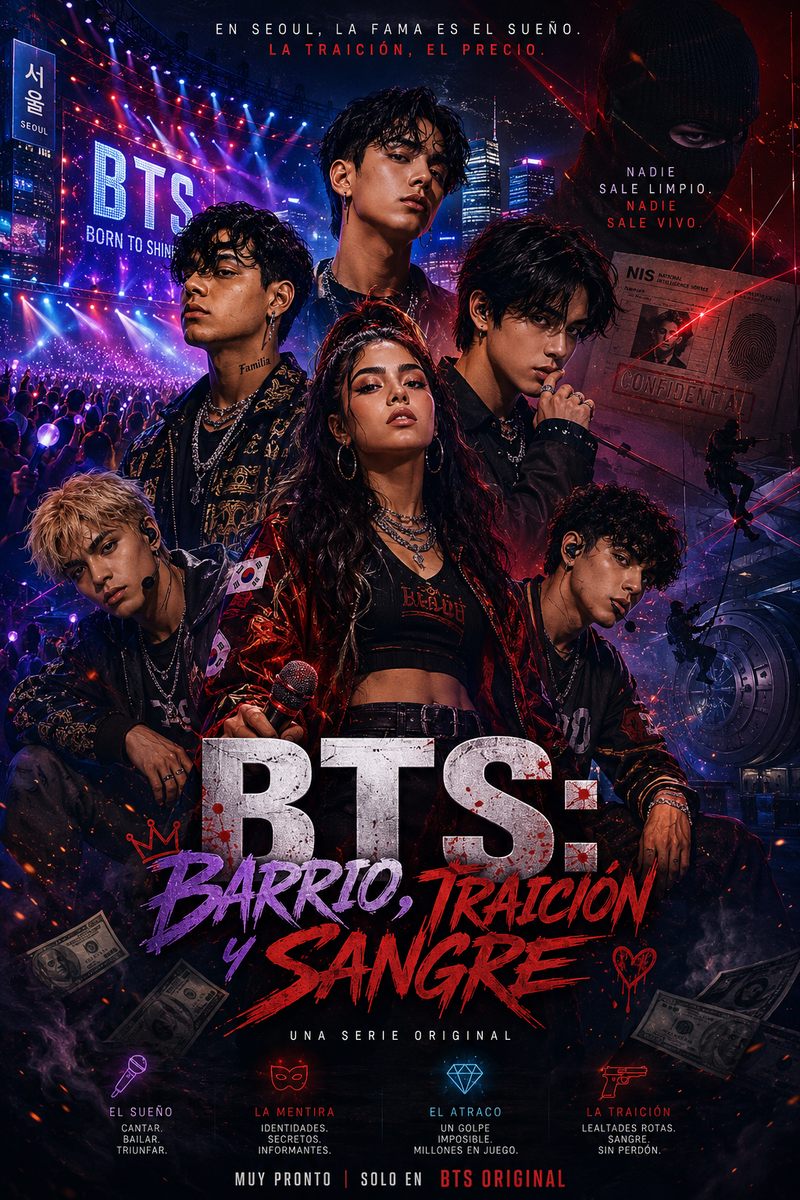
Every cue plays across the site
Students learnt the basics of cinematography: camera angles, camera movements and shot types. They then learnt how to effectively transform images into animation, splitting one instruction into three, what the subject does, how the camera moves, and what shifts in the background, because an AI follows three clear orders better than one crowded one. They applied it to single frames from their own films and got shots that move, using skills like moodboards and LoRAs (small training files that keep a character or a style the same) to work on AI video’s biggest issue: consistency between frames.
Enter Animation
Crews built each trailer in four moves, in this order: the music first, then the still frames, then those stills animated into moving clips, then the clips cut together into the finished trailer, timed to the track that already existed. Every crew worked in roles: producer, director, editor and sound engineer. Sound before picture is the order the course took from Curious Refuge, the AI filmmaking school, so crews worked the way the industry does. Each crew also built a promo site to sell its film, then presented that site and the trailer together at the cohort’s own film festival.
Enter Trailers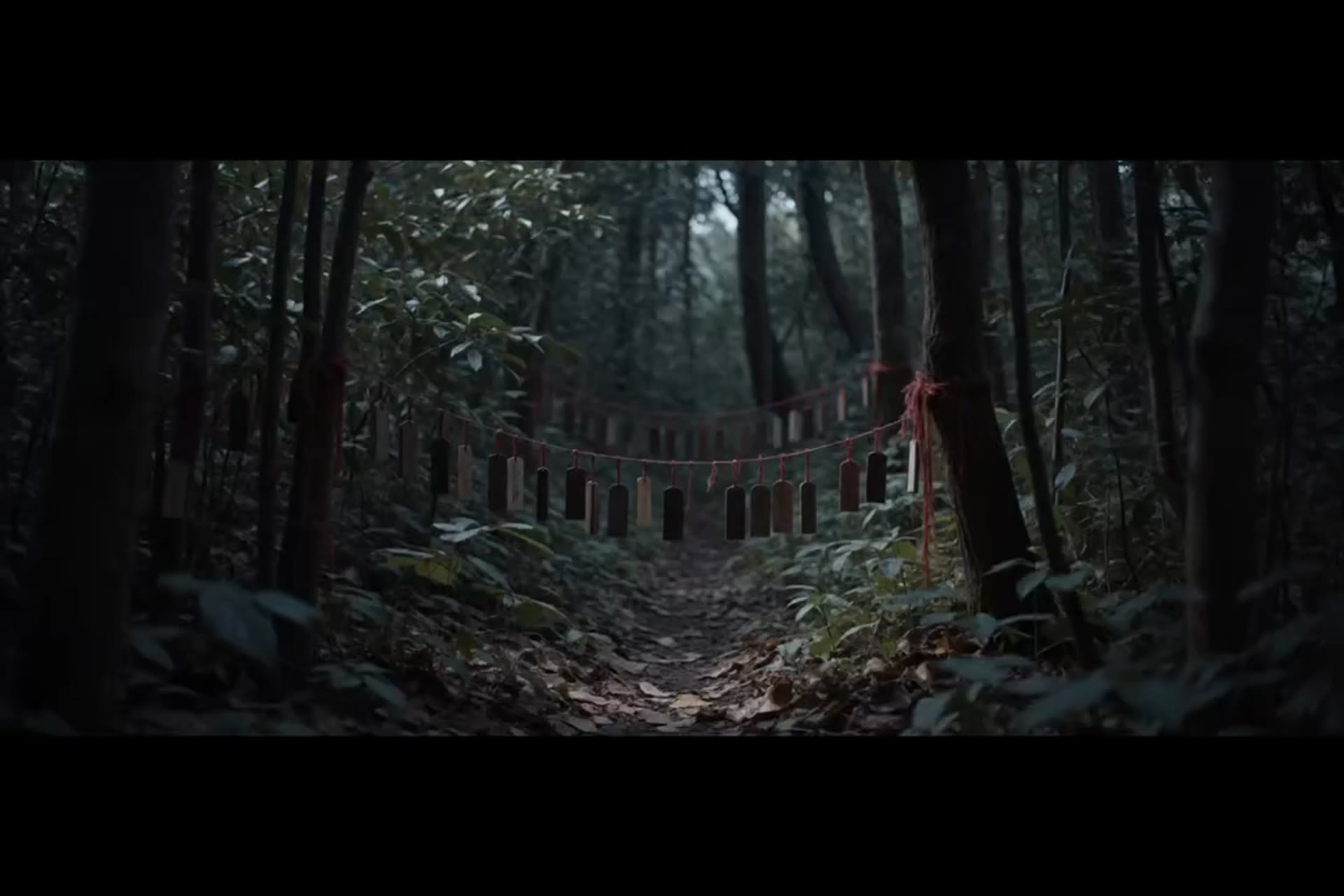
Five friends went looking for a shortcut. The mountain had other plans.
Students learned to start from an annoyance real people already have, narrow it until they could picture one specific customer, and say the fix in a sentence a stranger gets in five seconds. They each built their own app first, then collaborated on more ambitious agents (programs you train to do a job and then answer on their own), which used real-world APIs, the paid outside services an app plugs into, that teams had to budget for and integrate themselves. Building one meant training the agent, setting up a database, hosting the website, keeping it secure with private tokens (secret passwords the code uses), and doing the design. Teams worked in roles: a CEO to run it, a CTO for the build, a CFO for the money and a lead for marketing, like a modern startup, inspired by Y Combinator. Every one is live on the public web and was tested on strangers before being pitched to an audience.
Enter Apps